
Cedar fever season in Austin runs from December through February, with peak pollen counts typically hitting mid-January. Some years it starts as early as late November, and if conditions are right, it can linger into early March. Central Texas has one of the worst mountain cedar pollen counts in the country. Even if you’ve never had allergies before, cedar season can hit hard.
Knowing when cedar season hits matters because it changes how you should clean your home. The pollen doesn’t stay outside. It comes in on your clothes, shoes, pets, and through your HVAC system. Once it’s inside, it settles on every surface and recirculates through the air you breathe.
What Makes Cedar Fever So Bad in Austin?

Mountain cedar (Juniperus ashei) is native to the Texas Hill Country. When the trees release pollen, they create massive yellow-brown clouds that blanket the region. Austin’s geography traps these clouds in the area, keeping pollen counts high for weeks at a time.
Cedar fever isn’t a cold or flu. It’s an allergic reaction to mountain cedar pollen. Symptoms include severe sinus pressure, fatigue, itchy watery eyes, congestion, headaches, and a scratchy throat. Some people feel like they have the flu but without the fever. The pollen count can be so high that people who’ve lived in Austin for years without issues suddenly develop symptoms.
Weather plays a role. Warm, dry, windy days send pollen counts soaring. Rain provides temporary relief by washing pollen out of the air. Cold snaps can delay pollen release. But once the trees start pollinating, there’s no stopping it until the season ends.
How Cedar Pollen Gets Inside Your Home
You can keep your windows closed all season and still end up with pollen throughout your house. Every time you walk through the door, pollen comes with you. It clings to clothing, hair, shoes, and bags. Pets track it in on their fur and paws. Kids bring it home from school on their backpacks and jackets.
Your HVAC system also pulls outdoor air inside, and if your filters aren’t rated high enough, pollen passes right through. It settles on floors, furniture, countertops, shelves, and bedding. Then it gets kicked back up into the air every time someone walks across the room or sits on the couch.
High-touch surfaces accumulate pollen from hands. You touch your face, rub your eyes, then touch the doorknob, the light switch, the faucet. The pollen spreads.
Why Regular Cleaning Matters During Cedar Season
Indoor allergen buildup makes symptoms worse. You might feel fine outside on a low-pollen day but miserable at home because your house has been collecting pollen for weeks. Cleaning removes settled pollen before it recirculates.
Dusting matters more during cedar season than any other time of year. Horizontal surfaces catch everything. Bookshelves, window sills, ceiling fan blades, baseboards. If you can run your finger across it and see dust, there’s pollen in that dust.
Floors take the biggest hit. Everyone walks on them. Shoes track pollen in constantly, even if you’re careful. Carpets trap it. Hard floors show it less, but it’s still there. Vacuuming and mopping need to happen more frequently during peak season.
Bathrooms see more pollen than you’d expect. People touch their faces, blow their noses, then touch faucets and doorknobs. Wiping down these surfaces regularly reduces how much pollen stays in circulation.
What to Clean (and How Often) During Peak Cedar Season
Floors. Vacuum or mop at least twice a week during peak season. If you have kids or pets, three times a week is better. Use a vacuum with a HEPA filter so you’re not just blowing pollen back into the air.
Surfaces. Dust all horizontal surfaces weekly. Don’t use a dry cloth or duster that just moves pollen around. Use a damp microfiber cloth that actually captures it.
Bathrooms. Wipe down sinks, faucets, counters, and doorknobs at least twice a week. These are high-touch areas where pollen transfers from hands to surfaces.
Bedding. Wash sheets, pillowcases, and blankets weekly in hot water. You spend eight hours a night in your bed breathing whatever’s on those surfaces.
HVAC filters. Change them monthly during cedar season, even if the package says they last longer. Upgrading to MERV 11 or higher filters captures more pollen before it circulates through your home.
Entry areas. Vacuum or sweep entryways and mudrooms daily if possible. This is where the most pollen enters your home.
When Professional Cleaning Makes Sense
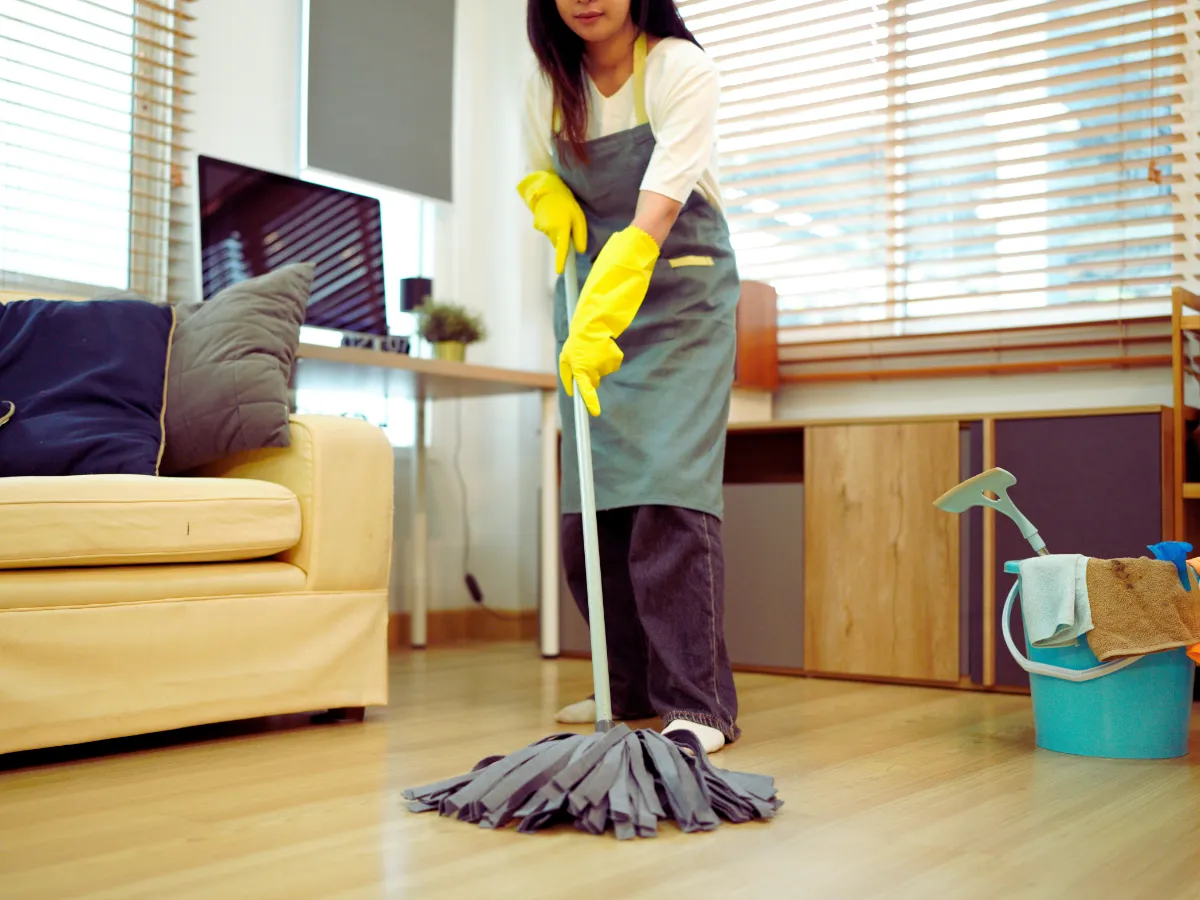
Most families we work with in Austin struggle with the same thing during cedar season. They know they need to clean more often, but between work, kids’ schedules, and feeling miserable from allergies, they don’t have the time or energy.
Weekly or bi-weekly house cleaning services in Austin TX maintain baseline cleanliness during peak season without you spending every weekend vacuuming. The same cleaning team shows up on schedule, follows a detailed checklist, and handles the high-frequency cleaning that actually reduces indoor allergen buildup.
A deep cleaning at the start of the season (late November or early December) sets you up for success. It removes the dust and allergens that have been building up through fall before cedar pollen gets added to the mix. Think of it as starting with a clean slate.
Post-season deep cleaning in March removes the accumulated pollen before spring allergies hit. You’re dealing with oak, grass, and other pollens starting in March, so clearing out cedar pollen residue before the next wave helps.
Families with severe allergies see real symptom reduction with consistent professional cleaning. One client told us her kids stopped waking up congested once we started cleaning weekly during cedar season. Another client said he could finally breathe in his own living room.https://www.epa.gov/indoor-air-quality-iaq/what-merv-rating
Other Ways to Reduce Cedar Pollen Indoors
Cleaning helps, but combining it with a few other practices makes the biggest difference.
Keep windows closed December through February. Remove shoes at the door – this alone cuts down on tracked pollen significantly. Shower before bed to remove pollen from hair and skin. Run air purifiers in bedrooms and main living areas. Change clothes when you get home after being outside for a while.
If you have pets, wipe their paws before they come inside and brush them outdoors if possible. Upgrade your HVAC filters to MERV 11 or higher and change them monthly during peak season.
Living With Cedar Season in Austin
 Cedar fever is part of living in Central Texas. You can’t stop the pollen, but you can control how much stays in your home. Regular cleaning that removes settled pollen from floors, surfaces, and high-touch areas makes the difference between suffering through three months of symptoms and managing them effectively.
Cedar season will come back every December. The question is whether you’ll spend it cleaning or whether you’ll have help.